
English Institute of Sport
How Perspectiv Helped EIS Rethink Marginal Gains in High Performance Sport
In elite sport, the difference between winning and losing can come down to the smallest details. When the English Institute of Sport (EIS) wanted to explore new ways to improve performance, Perspectiv helped it’s people look beyond the physical and technical to challenge existing thinking and discover how even the best can become better, uncovering new possibilities in the pursuit of peak performance.
The challenge: How do you improve when you're already among the best?
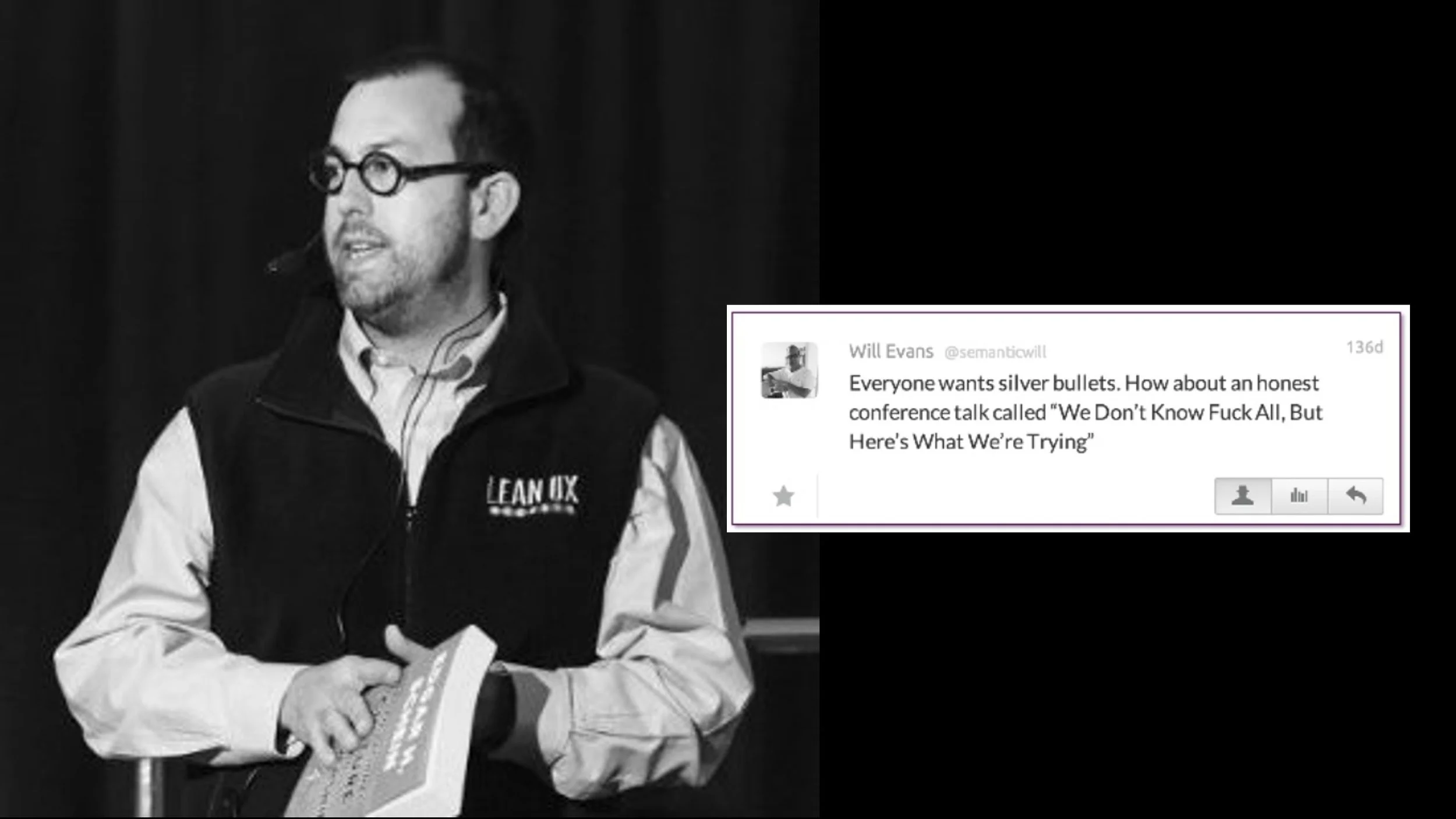
A quote EIS like to use is from William Haas Evans a strategy consultant at Fugue. His tweet embodies what the attitude was:
“Everyone wants silver bullets. How about an honest conference talk called “We Don’t Know Fuck All, But Here’s What We’re Trying”.
In 2012, Great Britain delivered an extraordinary performance at the London Olympic Games, winning 65 medals in front of a home crowd. A truly historic moment in time. The challenge now was finding a way to build on that success, because there is an interesting trend that happens after hosting an Olympic Game for a country.
History has shown that the next Olympic Games would be considerably harder. Host nations traditionally benefit from competing at home, but no country in Olympic history had managed to improve it’s medal tally at the Summer Games immediately after hosting. However, for Great Britain this was different.
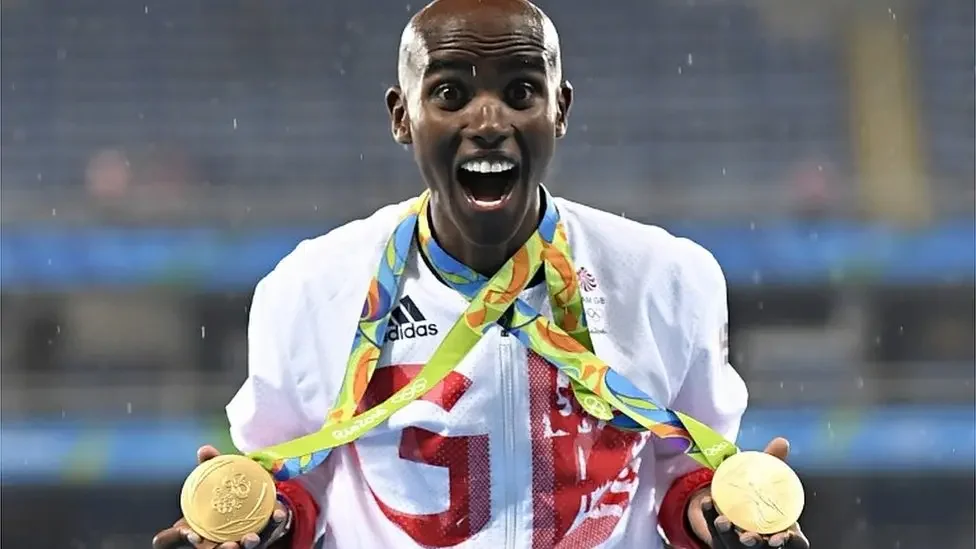
After hosting the 2012 games, we managed to win not 1……but 2 more medals than when we previously hosted it. This had never been accomplished in Olympic history.
What makes this even more astonishing is that even PWC predicted we would win less. An economic analysis by PwC predicted that Great Britain would win just 52 medals at Rio 2016, a substantial decline from London 2012.
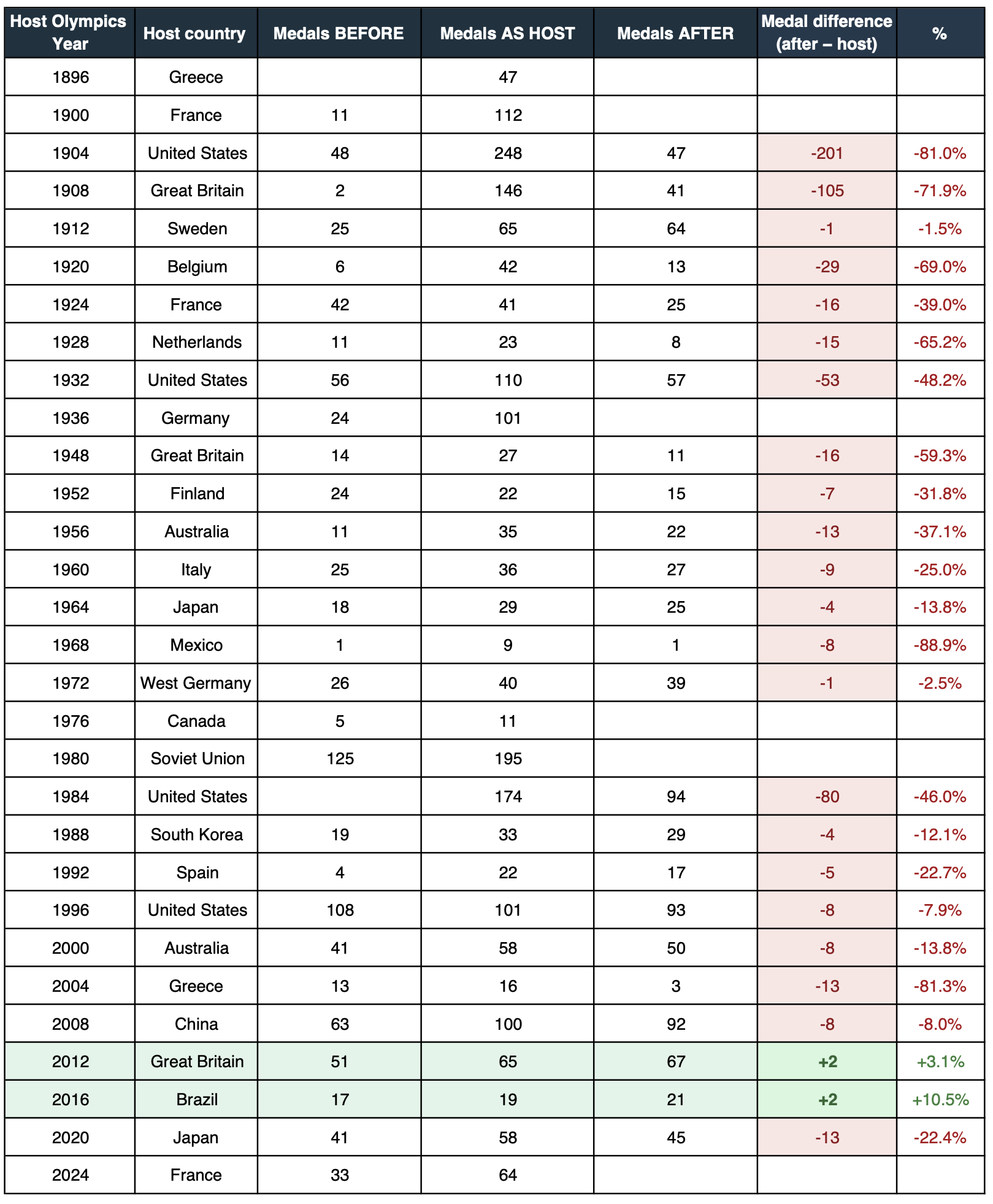
We used data from Olympedia to compile a table outlining this phenomenon. As you can see from the table, all country hosts have a significant drop off in medals ranging from a drop of -1.5% at Sweden 1912, to 88.9% Mexico 1968.
Even, comparing this to modern Olympic games, the trend still remains true. Highlighted in green are the two countries that are outside of this trend which are GB 2012 and Brazil 2016.
Now you know the story, I want to take you back in time to how exactly Perspectiv got involved, and explain the story of what we did to contribute.
Their challenge was clear: how could it build on the success of London 2012 and achieve something that had never been done before?
By this point, the British high-performance sporting system was already operating at an exceptional level. Sports scientists, coaches, performance specialists and medical professionals were continually searching for marginal gains: the small improvements that, when combined, can make the difference between standing on the podium and missing out.
But what if some of the greatest opportunities for improvement weren't physical or technical at all, what if they were about people?
Finding the next 1%
In 2015, Chris McLeod, working within the EIS, encountered Perspectiv's approach to Facilitative Leadership and Creative Problem Solving through the Masters in Innovation, Creativity and Leadership programme at the Bayes Business School in London that was taught by Andy. After witnessing the content on the course was built upon scientific backing, he recognised an opportunity.
EIS was accustomed to rigorous scientific thinking. It’s performance specialists understood how to analyse data, develop athletes and refine established methods. Perspectiv offered a complementary perspective: a research-based approach to understanding the complex human factors that influence performance. This meant looking at challenges that don't always have straightforward answers: communication, relationships, leadership, collaboration and the psychological environment in which people work. Working with Alex Wolf, then a learning and development leader at EIS, Chris helped bring Perspectiv into the organisation.
The ambition was not to replace the technical expertise already delivering results. It was to unlock additional possibilities for improvement by helping people think, work and lead differently.
"Like a Trojan horse, Perspectiv's unassuming idea of Facilitative Leadership spread quickly, to a point where it is now part of the organisation's fabric."
- Alex Wolf, former Head of Learning, English Institute of Sport
The approach: Creating the conditions for people to perform at their best
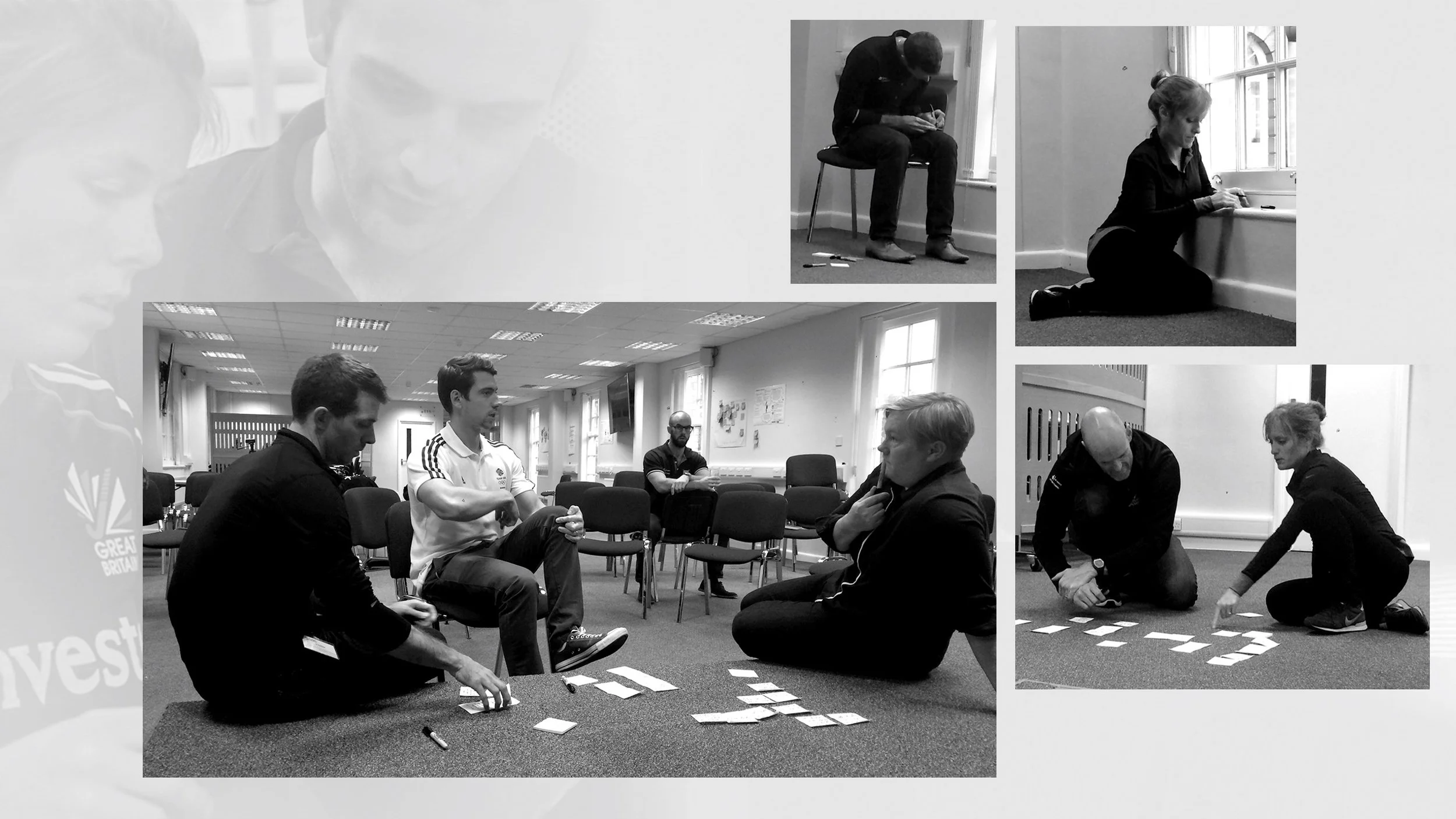
Perspectiv delivered it’s Facilitative Leadership and Creative Problem Solving (FL-CPS) programme to approximately 40 EIS professionals. This included coaches, performance specialists, and those responsible for supporting the Olympic athletes directly. Through face-to-face workshops, participants explored practical, evidence-informed approaches to leadership, creative problem solving and team dynamics. A few job titles of the audience members below:
Heads of Sport Science (Football & Olympic Sports)
Olympic Medal Winning Coaches
Overseas & UK Researchers
S+C Coaches, Physios, Biomechanics
Physiologists, Sport Psychologists
Central to the programme was an important shift in perspective. Rather than seeing leadership as having all the answers, participants were encouraged to understand how leaders can create the conditions in which others contribute their best thinking. Perspectiv introduced tools and frameworks that gave people a shared language for recognising challenges, asking better questions, working through uncertainty and identifying opportunities for improvement. One particularly important area was psychological safety in climate: the conditions that influence how comfortable, motivated and able people feel to contribute and perform.
In elite sport, even seemingly minor interpersonal decisions can have consequences.
Consider athletes travelling to a major international competition. Decisions about accommodation and who shares a room may appear insignificant compared with training schedules or physical conditioning. Yet these details can affect rest, confidence, relationships and ultimately an athlete's ability to perform. This is just one of the many factors that can be considered when in the pursuit of gaining a performance advantage.
By examining these less obvious factors, EIS could approach performance from a broader perspective. The aim was to make previously overlooked opportunities visible, and give people practical ways to act on them.
From learning to action: What It Takes to Win
The work went beyond participation in a training programme, EIS drew on the approaches explored through Perspectiv's FL-CPS programme to develop it’s own strategic review process, documented in a framework called What It Takes to Win. This helped professionals consider what individual sports needed to improve, explore their challenges and identify opportunities for progress.
Rather than treating performance as a purely technical problem, the approach encouraged a more complete understanding of the factors that contribute to success. It also supported a different kind of conversation, one in which people could challenge assumptions, share knowledge and examine difficult questions without needing to pretend they already knew every answer.
Perspectiv's contribution was to help EIS build these capabilities within it’s own organisation. That distinction matters. The objective was never for EIS to depend on an outside consultancy to solve every problem. It was to equip it’s people with approaches they could continue applying themselves.
Brian Dorval delivering a masterclass involving EIS and Perspectiv's problem-solving approaches.
Title:Watch: Creative Problem Solving in Practice — Brian Dorval Masterclass
The result: Making Olympic history
When the Rio Olympic Games concluded in 2016, Great Britain had achieved something unprecedented:
Team GB in London 2012: 65 medals.
Team GB in Rio 2016: 67 medals.

For the first time in modern Olympic history, a host nation had increased it’s total medal count at the following Summer Games. Great Britain finished second in the official medal table, ahead of China by gold medals won, demonstrating the remarkable strength of it’s elite sporting system.
The achievement was the result of years of work by athletes, coaches, sports scientists, governing bodies and the wider network supporting British Olympic sport. It would be wrong to attribute that success to any single programme or consultancy. What Perspectiv contributed was one part of that wider pursuit of excellence: helping EIS professionals develop new ways of thinking about performance, working with others and finding opportunities for improvement.
The significance of the engagement was not simply what people learned in the workshops. It was how those approaches could be taken back into the organisation and used to support ongoing improvement.
A Legacy of Continuous Improvement
What began as a new approach to reviewing Olympic performance became something far more enduring: a repeatable process for learning, collaboration and continuous improvement. By embedding Facilitative Leadership and complex problem solving into the organisation, Perspectiv helped EIS develop the capabilities to tackle future challenges independently, long after our initial involvement.
At the heart of this approach was a simple but powerful principle: inverting the pyramid. Rather than expecting people to serve those above them in an organisational hierarchy, leaders focus on supporting and empowering those closest to the work. For EIS, this meant creating the conditions for coaches and practitioners to share their expertise, challenge assumptions and find better ways forward, with leadership enabling their success rather than directing every answer.
The lasting impact is reflected in Britain's continued Olympic success. Following Rio 2016, Team GB secured 64 medals at Tokyo 2020 and 65 at Paris 2024, remaining among the world's top five nations by total medals won. While this success reflects the efforts of many across British sport, Perspectiv's contribution was to help establish a way of working that supported learning and improvement across successive Olympic cycles.
Ultimately, our role was to help EIS to build a climate that found micro gains, sustained high performance, and built it all into a process.
“I’ve worked with and known Perspectiv for over ten years, having first met Andy at Cass Business School on the Masters in Innovation, Creativity and Leadership (MICL), and later working with him through the English Institute of Sport. What has stayed with me most — and still shapes my own work — are the frameworks, thinking and processes that sit behind everything Andy and Perspectiv do.
For someone who likes to experiment and try new things, this has been invaluable. It’s given me a way to ground that instinct: tools I keep coming back to and a firm foundation from which to be more creative. Across the range of contexts and clients I work with, that has been absolutely key.
There aren’t many days or weeks that go by when I don’t refer, directly or indirectly, to something Andy and Perspectiv shared with me, whether on the MICL or in their work since.
”
Want to explore the full case study?
Download the What It Takes to Win document.
Created by the English Institue of Sport & Perspectiv.
References
Get in touch
Come speak to us about how Perspectiv can support your work.
We’d welcome a conversation about your challenges, opportunities, and next steps.
